In this guide:
- Caring For Fish That Give Birth: A Simple Guide For New Aquarium Owners
- Planning Ahead When Keeping Fish That Give Birth
- Fish That Give Birth: Livebearers Vs Egg Layers For Beginners
- Frequently Asked Questions About Fish That Give Birth
Caring For Fish That Give Birth: A Simple Guide For New Aquarium Owners
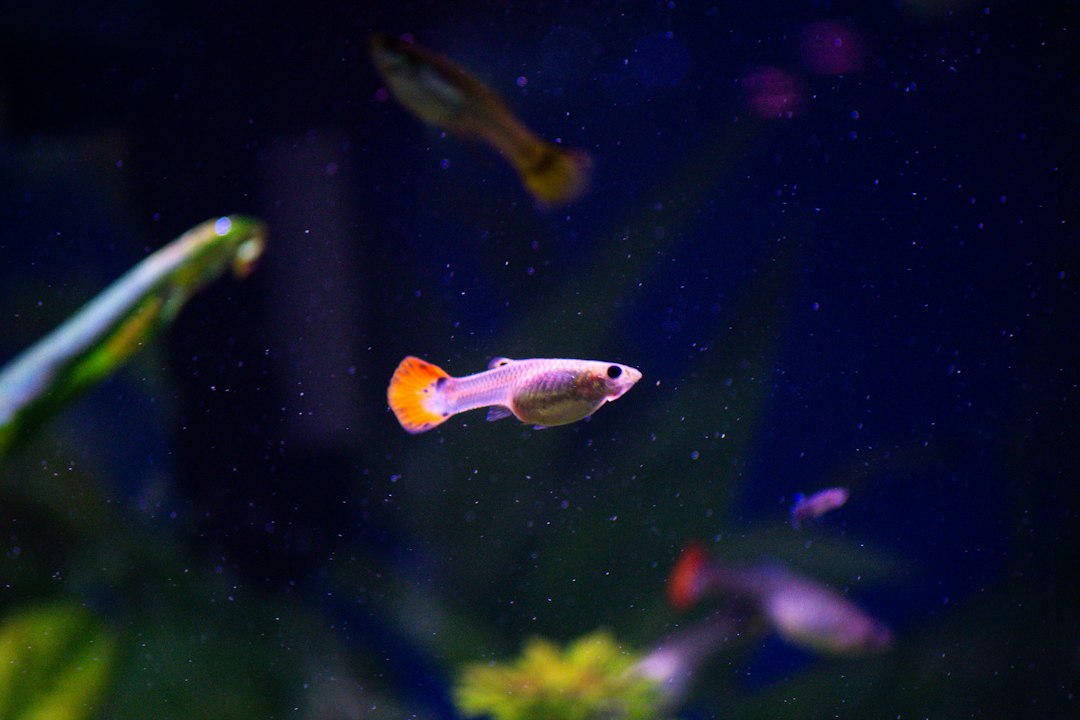
Fish that give birth are known as livebearers, and they carry their young inside until the babies are ready to swim on their own. Unlike egg-laying species, these fish do not scatter eggs on plants or gravel. Common livebearers include guppies, mollies, platies, and swordtails. If you keep one of these species, knowing how to spot pregnancy and prepare for the arrival of young fish can help you keep both the parent and the babies safe. This guide explains what to watch for and how to set up the tank so the new arrivals have the best chance.
Signs That Fish That Give Birth Are Expecting
Watch for a rounded belly that grows over several days or weeks. In many livebearers, you may also notice a dark spot near the rear underside, often called a gravid spot. The fish might move more slowly or spend more time near plants or hiding spots. These changes do not guarantee birth is imminent, but they suggest you should start preparing.
What to Look for in Fish That Give Birth to Young
A swollen belly alone does not always mean pregnancy. Overfeeding or illness can cause similar swelling. Look for the combination of a growing midsection, a darkening gravid spot, and changes in behavior. If you are unsure, observe the fish for a few days before making changes to the tank.
- A visible gravid spot near the tail
- A belly that becomes rounder over time
- More time spent hiding or resting near plants
Preparing the Tank for Fish That Give Birth
Livebearers can eat their own young, so many keepers use a separate breeding box or a heavily planted area where the babies can hide. Floating plants with fine leaves work well because they give newborns cover right after birth. If you use a breeding box, make sure it has gentle water flow and does not stress the mother.
-
Move the expectant fish to a quiet setup or add dense cover to the main tank. This gives the newborn fish places to hide immediately after they are born, which improves their chances of survival. Use floating plants with fine leaves or a breeding box with gentle flow. Avoid sharp decorations that could injure the mother or the young.
-
Feed the parent small amounts of high-quality food several times a day instead of one large meal. Good nutrition supports the developing young and helps the parent recover after giving birth. Do not overfeed, since uneaten food can foul the water and stress the fish.
-
Check the tank daily once you notice signs of pregnancy. Remove the parent to a separate recovery tank after birth if you see the adults chasing or nipping at the young, since many livebearers will eat their own offspring given the chance. Watch for signs of stress in the mother, such as rapid breathing or clamped fins.
Every species has slightly different needs, so research the specific type of livebearer you keep. Some fish that give birth prefer warmer water, while others do better in cooler conditions. Matching care to the species helps avoid problems before and after the babies arrive.
Planning Ahead When Keeping Fish That Give Birth
Why Beginners Are Caught Off Guard by Fish That Give Birth
Many new aquarium owners choose guppies, mollies, platies, or swordtails because these fish are colorful and hardy. What often surprises them is that these are fish that give birth to free-swimming babies instead of laying eggs. A shop tank may hold only adults, but a female can already be pregnant before you bring her home. Beginners sometimes buy a small mixed group of fish that give birth and do not expect to see tiny fish appear weeks later.
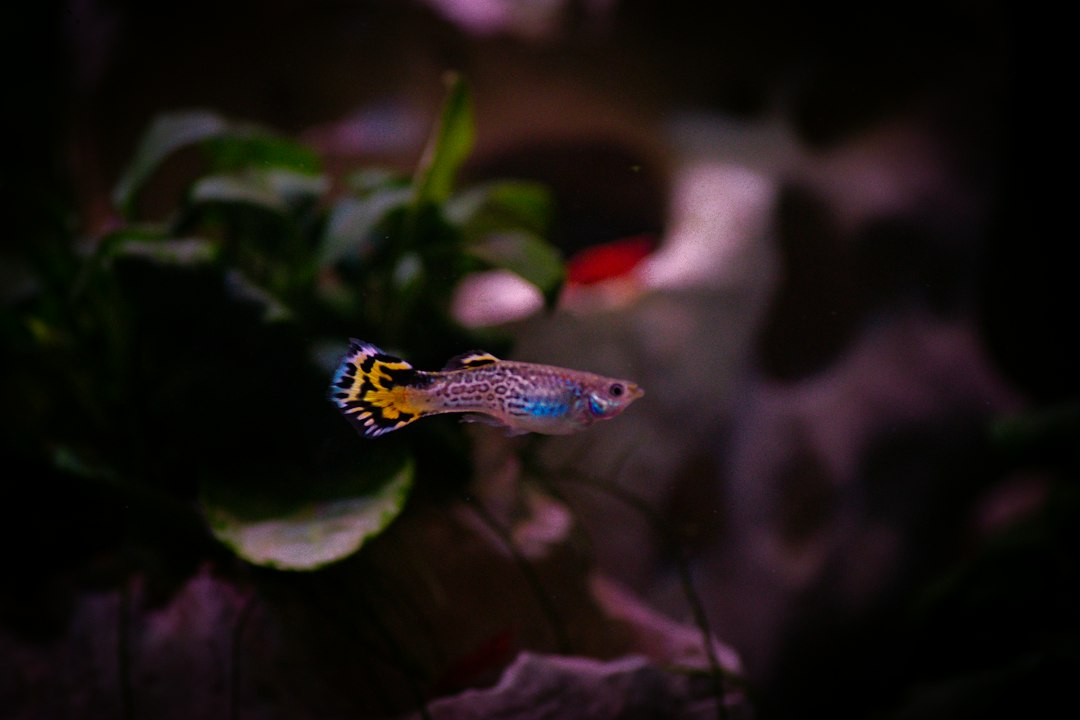
This matters because fish that give birth can produce new babies repeatedly without needing a new mate each time. A few adult fish can quickly become a much larger population. More fish means more waste, which can push ammonia and nitrite levels higher than a new filter can handle. Water quality can decline, and adult fish may become stressed or compete for food. A few extra babies are not usually a crisis, but an overcrowded tank can lead to real health problems for the whole group.
How to Handle Babies From Fish That Give Birth
The best fix starts before you buy. Decide whether you want babies from fish that give birth or not. If you do not want a growing population, keep only one sex. Keeping fish that give birth in a single-sex group is the simplest way to prevent surprise babies. Males and females are usually easy to tell apart once you know what to look for. If you do want babies, have a plan for where they will go as they grow. A separate grow-out tank works well, or you can rehome extras to a local hobbyist or pet store. Never release aquarium fish into local waterways.
Simple Steps for Keeping Fish That Give Birth Safely
- Choose all males or all females if you want to avoid babies.
- Add dense plants or breeding moss so babies have hiding places.
- Feed small amounts once or twice daily and remove uneaten food.
- Test the water regularly and watch for cloudy water or stressed fish.
If you already have babies and do not have extra space, move the adults to a different tank if possible, or find homes for the young fish before the tank becomes overcrowded. Adding more filtration can help, but it does not solve the underlying problem of too many fish that give birth for the water volume. Check your fish weekly, and remove babies early if you cannot care for them. Gradual changes are better than sudden ones, so avoid moving large numbers of fish all at once unless water quality is already poor.
Next time, research the breeding habits of any fish before purchase. Understanding that certain species are fish that give birth helps you prepare for population growth, choose the right tank size, and keep water quality stable for every fish in your care.
Fish That Give Birth: Livebearers Vs Egg Layers For Beginners
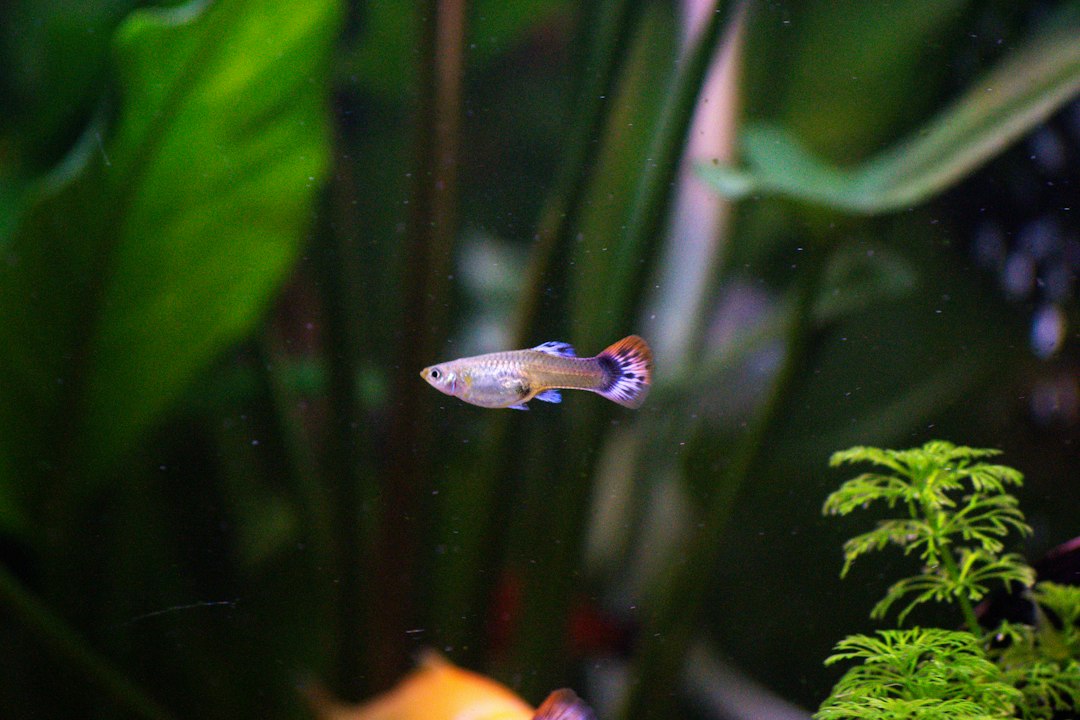
Many beginners ask which fish that give birth are best for a first aquarium. These fish, often called livebearers, keep their eggs inside the body until the babies are fully formed. The young are born as free-swimming fry instead of starting as eggs. This difference affects tank setup, feeding, and how quickly the population can grow.
What Makes Fish That Give Birth Different From Egg Layers
Fish that give birth fertilize eggs internally, and the mother carries the developing young until birth. Egg-laying fish release eggs into the water, where a male fertilizes them. The eggs hatch later, sometimes after several days, and the hatchlings are not free-swimming right away.
Fish That Give Birth Produce Free-Swimming Babies Right Away
Babies from fish that give birth to young alive can swim and hide immediately after they are born. Egg-layer babies begin as eggs and often need protection until they hatch and absorb their yolk sacs. Because livebearer fry are mobile from the start, they need plants or hiding spots right away to avoid being eaten by adult fish.
Common Examples of Fish That Give Birth and Their Care Needs
Guppies, mollies, platies, and swordtails are common fish that give birth. They are generally hardy and suit community tanks, but each species has its own temperature and water preferences. These fish reproduce quickly, so keeping males and females together usually means babies will appear.
Fish That Give Birth Often Need Population Control
A female can store sperm and produce several batches of babies without mating again. If you do not want a rapidly growing aquarium, keep only one sex or prepare to rehome the fry. Egg layers usually need specific spawning conditions, so their numbers may increase more slowly in a mixed community tank.
- Livebearer fry can swim and hide immediately after birth.
- Egg-layer eggs need stable water and protection until they hatch.
- Livebearers can populate a tank quickly if males and females are kept together.
- Egg layers often need specific triggers or conditions to spawn.
- Both types need clean water and appropriate food for their size.
Neither choice is automatically better. Fish that give birth suit beginners who want to observe live babies and manage a growing population. Egg layers may fit owners who want slower reproduction and are willing to provide spawning sites or a separate breeding tank. Think about your goals, tank size, and how much time you can spend on babies before choosing.
Frequently Asked Questions About Fish That Give Birth
How fish give birth?
You might spot a female carrying young as she prepares to give birth in the aquarium. She releases free swimming young because the eggs hatch inside her body rather than being laid in the water. A common misunderstanding is that every aquarium fish does this, so check whether your species is a livebearer or an egg layer.
When can fish be introduced to babies?
Newly born fry often hide among plants and look too small to share a tank with larger fish. They can join the main aquarium once they are too large to fit in adult mouths, which keeps them safe from being eaten. One thing to check is whether the adult fish in your tank are known to hunt small tank mates before you add the young ones.
Which fish give birth?
In a pet store tank you might notice guppies mollies platies and swordtails that give birth to fully formed young. These are livebearers, a group of fish that give birth to free swimming babies instead of laying eggs. A thing to check is whether your local water conditions match the species you want, since some livebearers prefer harder water.
Watch your fish that give birth over the next few weeks to see how the young ones behave and grow. You will notice the parents and babies settling into a routine as the tank matures.